


-

Add: HeBei ShengShi HongBang Cellulose Technology CO.,LTD.
-

Email
13180486930@163.com -

CONTACT US
+86 13180486930
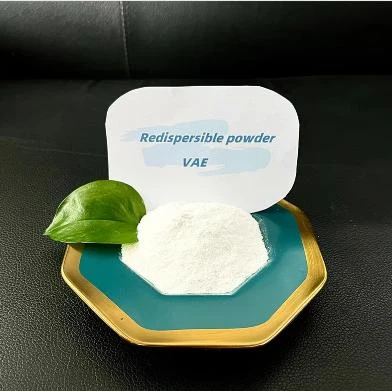
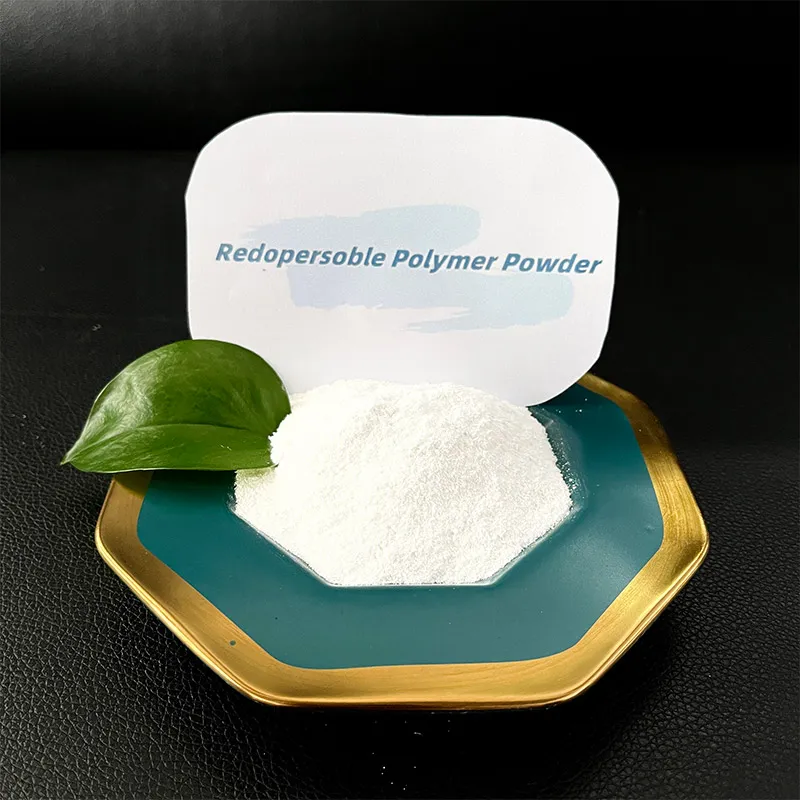

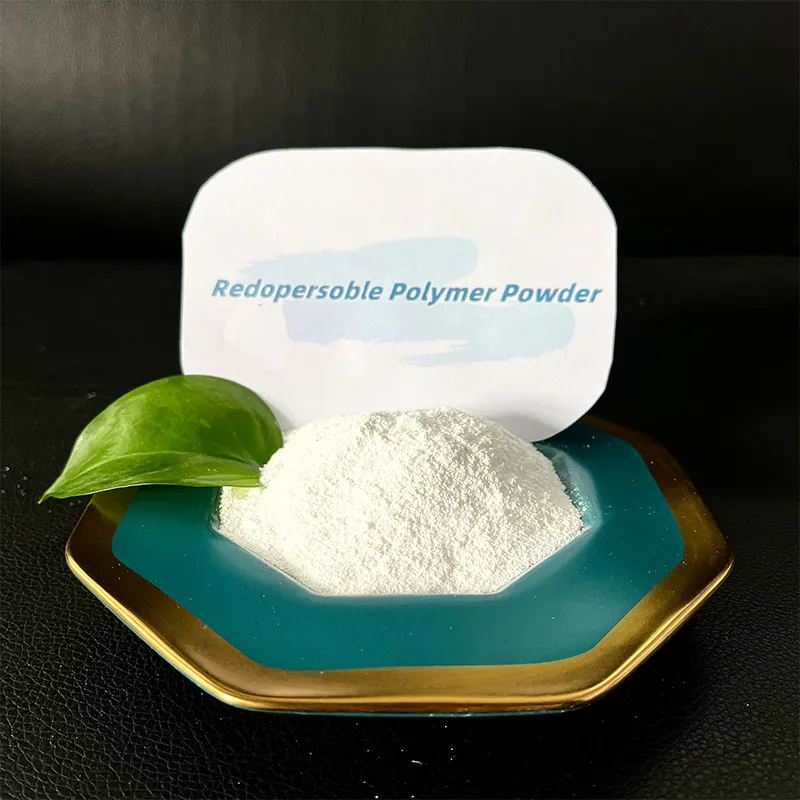


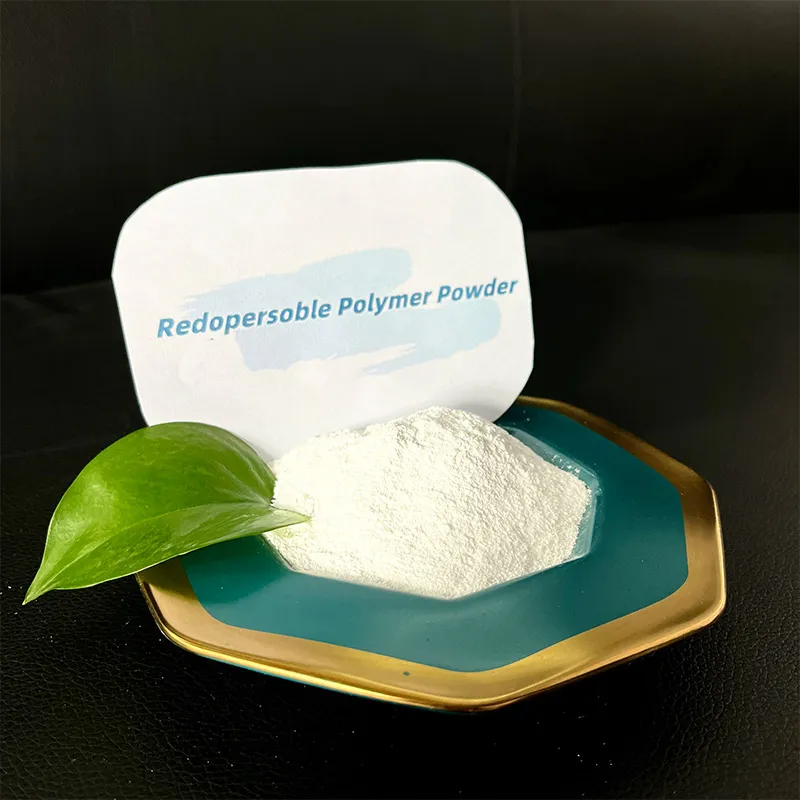
Understanding the Price of Dispersible Polymer Powder Trends and Implications The global market for dispersible polymer powders has seen significant growth over the past few years, driven by various factors including advancements in technology, evolving consumer preferences, and increasing applications across different industries. Dispersible polymer powders are widely used in construction, paints, coatings, adhesives, and even in the cosmetic industry due to their excellent binding properties and ability to create stable emulsions. Understanding the price dynamics of these products is essential for manufacturers, suppliers, and consumers alike. What Are Dispersible Polymer Powders? Dispersible polymer powders are dry powders that can be easily re-dispersed in water to form stable dispersions. They are primarily used to enhance the performance of various formulations in the construction sector, particularly in tile adhesives, mortars, and other construction materials. These polymers improve adhesion, flexibility, and water resistance, making them a vital component in modern construction projects. Factors Influencing the Price of Dispersible Polymer Powder 1. Raw Material Costs The price of dispersible polymer powders is significantly influenced by the cost of raw materials. As oil prices fluctuate, the cost of petroleum-based raw materials can impact production costs for polymer manufacturers. Additionally, the availability of renewable raw materials can also play a crucial role in price determination. . 3. Market Demand The demand for dispersible polymer powders is on the rise due to the increasing construction activities and the growing reliance on high-performance materials. This demand pushes prices upward, especially in regions experiencing rapid urban development. سعر مسحوق البوليمر القابل للتشتت 4. Global Supply Chain Issues Recent global events have highlighted the fragility of supply chains. Disruptions caused by the COVID-19 pandemic, geopolitical tensions, or natural disasters can lead to shortages of raw materials, subsequently increasing prices. These supply chain complexities necessitate careful monitoring and strategic planning by companies involved in the market. 5. Sustainability Trends With an increasing emphasis on sustainability, many companies are investing in producing eco-friendly dispersible polymer powders. While these green alternatives may initially have higher production costs, the long-term benefits and rising consumer demand for sustainable products may justify the higher price point. Current Market Trends As of 2023, the dispersible polymer powder market has experienced moderate growth. Market analysts predict that this trend will continue as developing economies focus on infrastructure development and renovation projects. Moreover, there is a noticeable shift towards higher performance and specialty dispersible polymers, catering to specific applications, which may come at a premium price. Conclusion Understanding the pricing of dispersible polymer powders is crucial for stakeholders across the industry. The interplay of raw material costs, technological advancements, market demand, supply chain dynamics, and sustainability trends shapes the landscape of this market. As the global economy moves forward, it will be important for manufacturers and consumers to remain agile and adapt to these changing trends. For businesses involved in the production or application of dispersible polymer powders, keeping abreast of market trends and pricing dynamics will not only ensure competitiveness but also allow for better strategic planning and investment decisions. Moreover, as sustainability becomes a focal point in various industries, those who invest wisely in eco-friendly alternatives may not only help the environment but also capture a growing segment of environmentally conscious customers.
- 40000tons

Production
- 20+years

Experience
- 5000+㎡

Acreage

-
Macro fibers concrete has emerged as a revolutionary material in the construction industry, renowned for its exceptional ability to enhance the structural integrity and durability of concrete. As an experienced authority in construction material innovation, I can confidently discuss the profound impacts and advantages of utilizing macro fibers in concrete applications. One of the key elements that set macro fibers concrete apart is its enhancement of tensile strength and crack resistance. Traditional concrete, while strong in compression, tends to be brittle under tensile stress, leading to cracking over time. Macro fibers, such as synthetic fibers made from materials like polypropylene or high-strength steel, are incorporated into the concrete mix to bridge these potential cracks and distribute loads more evenly. This not only prolongs the lifespan of the concrete structure but also reduces maintenance costs significantly. Experience from numerous construction projects demonstrates the efficacy of macro fibers in diverse applications ranging from industrial floors, pavements, to precast elements. For instance, significant projects in infrastructure have documented a marked reduction in surface defects and maintenance needs when employing macro fibers, especially in high-traffic areas. This experience underscores the material's ability to withstand dynamic loading and environmental wear. Expertise in designing concrete mixes with macro fibers is crucial for optimizing material performance. The integration of these fibers requires precise calibration of the mix design, taking into consideration factors such as fiber dosage, distribution, and orientation. Construction professionals have developed sophisticated methods to ensure uniform fiber dispersion, which is critical for achieving the intended mechanical properties. By relying on tried-and-tested methodologies and cutting-edge research, experts are able to tailor macro fiber concrete solutions to specific project requirements, resulting in bespoke solutions that maximize performance and cost-efficiency. macro fibres concrete The authoritativeness of macro fibers concrete is further solidified through extensive research and development, with numerous studies corroborating its benefits. Academic journals and industry reports consistently showcase macro fibers' contribution to increased impact resistance, post-crack behavior enhancements, and superior durability. Renowned engineering standards, such as those from the American Concrete Institute (ACI) and other international bodies, have recognized and incorporated guidelines for the use of macro fibers in concrete, reinforcing their credibility and practical worth. Trustworthiness in the adoption of macro fibers concrete is built via rigorous testing and quality assurance processes . Manufacturers of these fibers adhere to stringent quality control protocols to ensure consistency and reliability in their products. Construction firms often conduct onsite tests to verify the performance of macro fiber-reinforced concrete, fostering confidence through proof of performance in real-world scenarios. Such diligence guarantees that the implemented solutions meet and exceed the expected safety and performance benchmarks. In conclusion, macro fibers concrete represents a sophisticated advancement in construction materials, offering a robust solution for enhancing concrete’s structural and functional capacity. The combination of empirical evidence from successful project implementations, scientific research validation, and stringent quality control measures assures stakeholders of the material’s unparalleled benefits. By leveraging the experience, expertise, authority, and trustworthiness associated with macro fibers concrete, construction projects can achieve superior results in sustainability, strength, and long-term value.
-
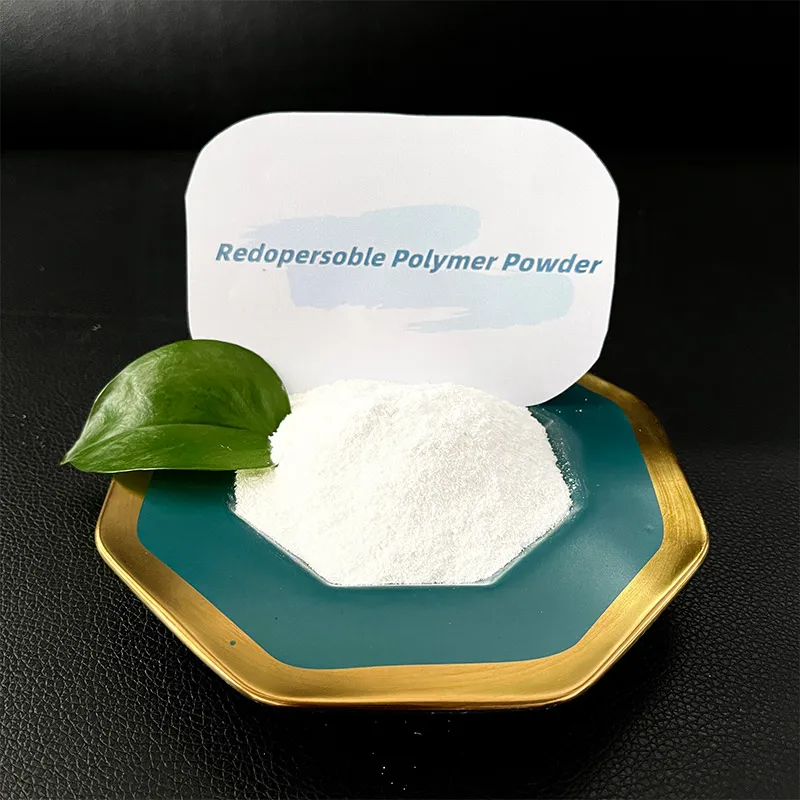
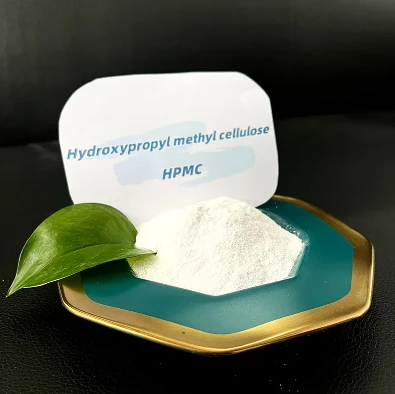
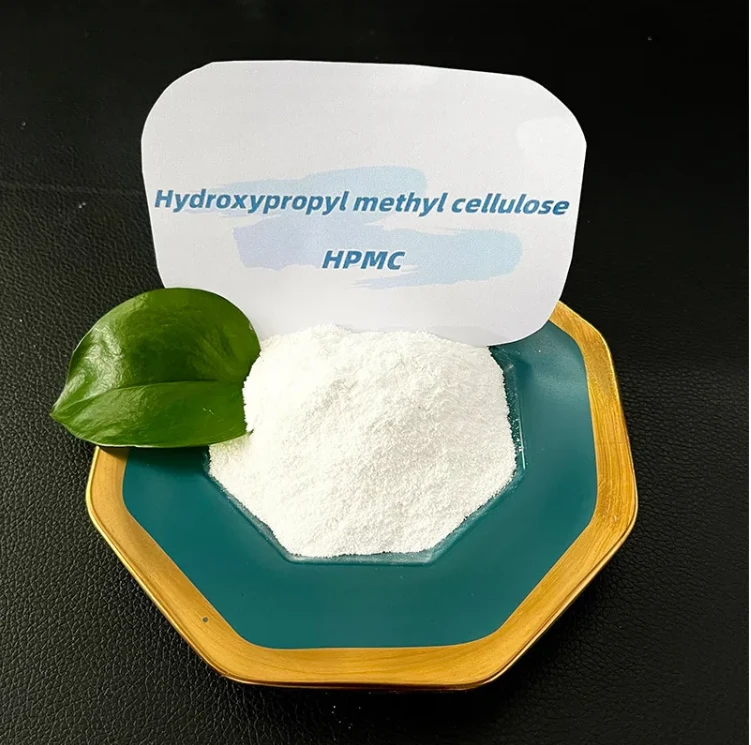
In the complex world of construction and building materials, innovative products regularly establish new standards. One groundbreaking advancement is ANSOS HPMC – Hydroxypropyl Methylcellulose, a synthetic polymer that holds remarkable potential in various applications. As this product is poised to become a staple among construction professionals, it is crucial to explore its real-world applications, niche benefits, and why it earns its place in your inventory. ANSOS HPMC is designed to excel in construction environments where versatility and performance are of paramount importance. The product's multifunctional nature allows it to be integrated effectively across a range of projects, offering distinct advantages over traditional materials. Its primary function is as an additive to cement-based products . This polymer is ingeniously tailored to enhance water retention, consistency, and workability of cement mixes, therefore ensuring superior outcomes. Construction professionals who have incorporated ANSOS HPMC into their repertoire often share compelling experiences that underline its effectiveness. For instance, a project manager overseeing a housing development in Arizona faced challenges with heat-induced rapid water loss in cement mixes. Introducing ANSOS HPMC allowed the contractor to maintain a desirable moisture balance during curing, significantly reducing the occurrence of cracks and ensuring a smoother finish. Expertise in construction materials points to another application where ANSOS HPMC demonstrates its value tile adhesives. Professionals laud the product's ability to improve bond strength and extend open time, thereby reducing failures and enhancing tile longevity. In one industry case study, a tile installer reported a 25% reduction in tile adhesive costs when switching to formulations containing ANSOS HPMC, owing to fewer callbacks and reduced wastage. What further bolsters ANSOS HPMC's standing is its unmatched environmental profile. The combination of biodegradable components with a low toxicological risk makes this polymer an attractive choice for projects emphasizing sustainability. For instance, a European construction firm committed to green practices witnessed an improved LEED rating following the adoption of ANSOS HPMC-enhanced products, highlighting its eco-friendly appeal. ansos hpmc Expert reviews emphasize the polymer's role in reducing environmental strain by optimizing the proportion of raw materials needed in mix designs. This reduction drastically cuts down CO2 emissions associated with binder production, aligning with global efforts toward sustainable construction. As an authoritative voice in construction material advancements, many seasoned professionals attest to the product's reliability and efficacy. ANSOS HPMC's ability to maintain structural integrity under diverse conditions is unmatched, catering to both high-stakes urban projects and self-build communities. The Institute of Modern Construction Materials published a report recognizing ANSOS HPMC as a pivotal step forward in polymer research, underscoring the scientific community's confidence in its capabilities. The trustworthiness of ANSOS HPMC is reinforced through extensive quality testing and satisfaction metrics among users. Manufacturers provide comprehensive data regarding performance consistency across varying climates and project scales. Independent testing agencies continue to verify these claims, making ANSOS HPMC a benchmark for industry standards. However, adopting ANSOS HPMC also includes understanding its technical nuances to maximize benefits. For instance, slight variations in mix formulation can be fine-tuned to project-specific needs, allowing precise control over setting times and flexibility without compromising quality. In conclusion, ANSOS HPMC stands out as a transformative polymer in the construction sector, backed by real-world experiences, specialist endorsements, authoritative acknowledgements, and proven trustworthiness. Its contributions extend beyond mere functional applications, representing a broader commitment to innovation and environmental stewardship. As construction practices evolve, ANSOS HPMC is poised to remain a catalyst in shaping the future of building materials. For those seeking to enhance project outcomes while remaining true to sustainability goals, ANSOS HPMC is an investment not merely in superior materials but in the cutting-edge progression of construction methodology.
advantages
-

200000 Viscosities
Excellent product
We can produce pure products up to 200,000 viscosities
-

40000 tons
High yield
We don’t stop production all year round, and the annual output can reach 40,000 tons
-

24 hours
Quality service
We provide 24-hours online reception service, welcome to consult at any time
———— Inquiry Form
Schedule A services
-
 high_density_polyethylene_powder
Oct . 25, 2025
Hydroxypropyl Methyl Cellulose (HPMC) has emerged as a versatile material in various industries, off -
 serat_yang_terbuat_dari_pulp_kayu
Oct . 25, 2025
Hydroxypropyl Methylcellulose (HPMC) is a versatile and essential ingredient in the cosmetics indust -
 vinyl_acetate_ethylene_copolymer_powder
Oct . 25, 2025
In the realm of construction and architecture, building coating adhesives have become an essential c


